 How-to
7 Energy Saving Home Maintenance Upgrades That Cut Bills
Last Updated: November 16, 2026
Quick Summary
Energy saving home maintenance upgrades are repairs and small projects that lower utility bills, keep your home comfortable, and protect the systems you already own. Start with cheap fixes that stop the most waste, like air sealing and attic insulation, since these almost always pay back first.
- Most energy saving home maintenance upgrades cost far less than a full system replacement, and many are simple weekend jobs.
- Low-cost actions like weatherstripping, caulk, LED bulbs, and filter changes typically pay back within a single season.
- Mid-range projects such as blow-in attic insulation and duct sealing usually pay back over a few years.
- Seal and insulate before sizing a new HVAC system so you do not buy equipment too big for the tightened house.
- Divide installed cost by estimated annual savings to get a rough payback in years.
Table of Contents
- Energy Saving Home Maintenance Upgrades That Pay You Back
- What Energy Saving Home Maintenance Upgrades Cost
- How to Prioritize Upgrades by Payback and Budget
- How to Make Your Home More Energy Efficient in Winter
- Energy Saving Home Improvements Tax Credit and Home Energy Rebates
- Sequencing Upgrades and Measuring Results
- Building a Maintenance Plan That Keeps Savings on Track
- Frequently Asked Questions
Energy Saving Home Maintenance Upgrades That Pay You Back
Forty-seven percent of homeowners say they will prioritize upgrades that deliver long-term value, according to Carrier's 2026 home improvement findings. That number tells you something useful: most people are not chasing quick fixes. They want work that keeps paying them back.
That is exactly what energy saving home maintenance upgrades do. These are the repairs and small projects that lower your utility bills, keep your home comfortable, and protect the systems you already own.
Below, we break down what each upgrade costs, which ones pay back fastest, and how to sequence them so you do not waste money.
What Energy Saving Home Maintenance Upgrades Cost
Most energy saving home maintenance upgrades cost far less than a full system replacement, and many are simple weekend jobs. The exact price depends on your home's size, age, and current condition. Pricing depends on your home's size, age, and current condition, so request a quote before any work begins.
Here is the rough shape of the work:
- Air sealing: caulk, foam, and weatherstripping. Low cost, high impact.
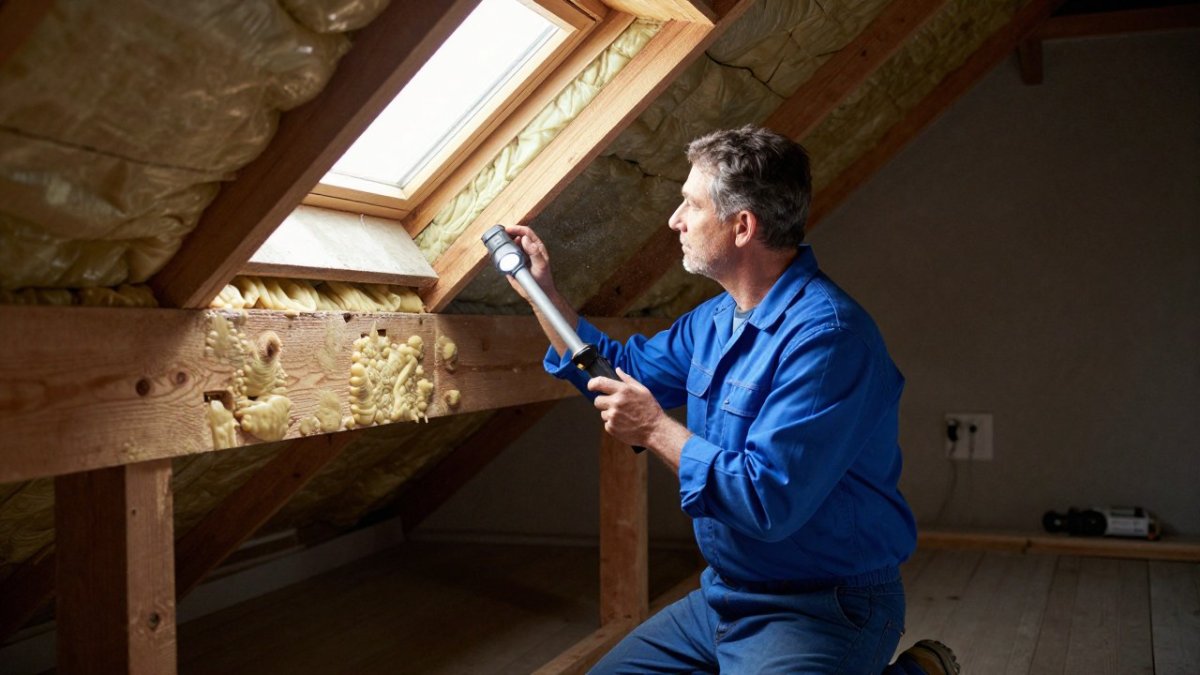
- Attic insulation: the single biggest heat-loss fix in most homes.
- Duct sealing: stops conditioned air from leaking into crawlspaces.
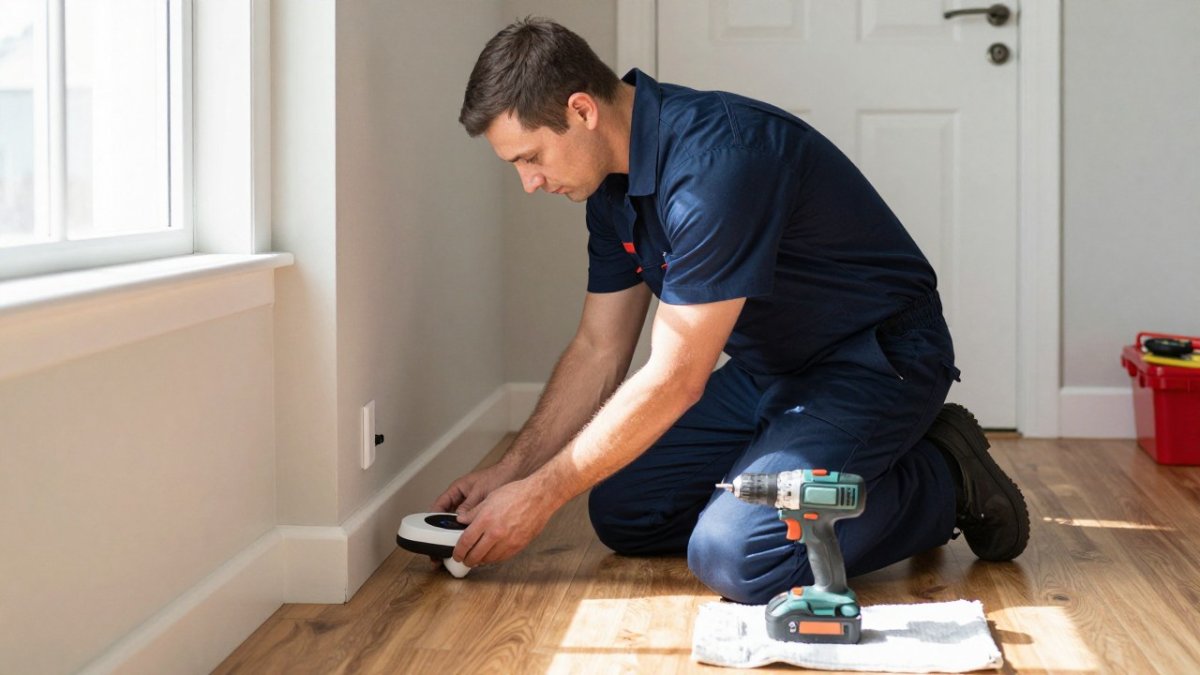
- Smart thermostat: a small device with a fast payback.
- Water heater tune-up or blanket: cheap, and it protects a costly appliance.
For current pricing on routine maintenance visits, see what professional home maintenance services cost.
How to Prioritize Upgrades by Payback and Budget
Start with the cheapest fixes that stop the most waste. Air leaks and attic insulation almost always pay back first. Big-ticket items like windows and heat pumps come later, once the envelope is tight. But "start cheap" is not a plan.

Match the Upgrade to Your Climate and Home
The same checklist does not fit every house. Use these patterns to narrow the list before you spend a dollar.
- Cold-winter climates: attic and rim-joist insulation, air sealing, and duct sealing deliver the largest heat-loss reductions. Prioritize the envelope before replacing a furnace.
- Hot-summer climates: radiant barriers, attic ventilation, and duct sealing in unconditioned spaces matter more, and a smart thermostat with peak-demand scheduling pays back faster.
- Older homes with original windows: do not replace windows first. Air sealing and storm windows capture most of the loss at a fraction of the cost; full window replacement has one of the longest paybacks on this list.
- Homes with existing forced-air systems: duct sealing is often the highest-return mid-range project because leaking ducts waste conditioned air in spaces you never see.
- Homes with electric resistance heat: a heat pump upgrade can be the single largest bill reduction, but only after the envelope is tightened so the equipment can be sized correctly.
Low-Cost and No-Cost Actions First
These cost little or nothing and start saving right away:
- Seal gaps around doors and windows with weatherstripping.
- Caulk cracks where pipes and wires enter the house.
- Swap old bulbs for LED lighting.
- Set the thermostat back a few degrees overnight.
- Change the furnace air filter every one to three months.
- Run ceiling fans to cut peak cooling demand.
Most of these pay back within a single season. The trade-off is labor: air sealing is tedious and easy to do incompletely.
Mid-Range Projects With Measurable Returns
Once the cheap fixes are done, move to these:
- Blow-in attic insulation.
- Duct sealing on forced-air systems.
- A smart thermostat with scheduling.
- A water heater blanket and pipe wrap.
- Low-flow fixtures to cut water heating costs.
These projects typically pay back over a few years rather than a single season. The measurable-return claim only holds if you benchmark before and after, record a baseline month of utility use before installation so you have something to compare against.
High-Budget Projects and When They Make Sense
Windows, heat pumps, and full HVAC replacement are the largest line items and the longest paybacks. They make sense when the existing equipment is near end of life, when the envelope is already tight, or when incentives close the gap. Replacing a working furnace before air sealing can leave you with equipment sized for a leaky house.
A Simple Payback Method
For any project, divide the installed cost by the estimated annual savings to get a rough payback in years. For a method to judge which project pays you back, see our guide on how to calculate return on investment for home repairs.
A payback estimate built on advertised savings rather than your actual bills can be off, so verify any savings figure against a baseline month of your own usage.
Here is how the article groups the upgrades by cost tier and expected payback.
| Tier | Upgrades | Payback |
|---|---|---|
| Low-cost and no-cost | Weatherstripping, caulk, LED bulbs, thermostat setback, air filter changes, ceiling fans | Within a single season |
| Mid-range | Blow-in attic insulation, duct sealing, smart thermostat, water heater blanket, low-flow fixtures | Over a few years |
| High-budget | Windows, heat pumps, full HVAC replacement | Longest paybacks |
How to Make Your Home More Energy Efficient in Winter
Winter is when waste shows up on your bill. The fix is a short checklist you can run before the first hard freeze.
Seal air leaks around the attic hatch, basement rim joists, and exterior doors. Add insulation where it is thin. Have the furnace serviced so it runs at full efficiency.
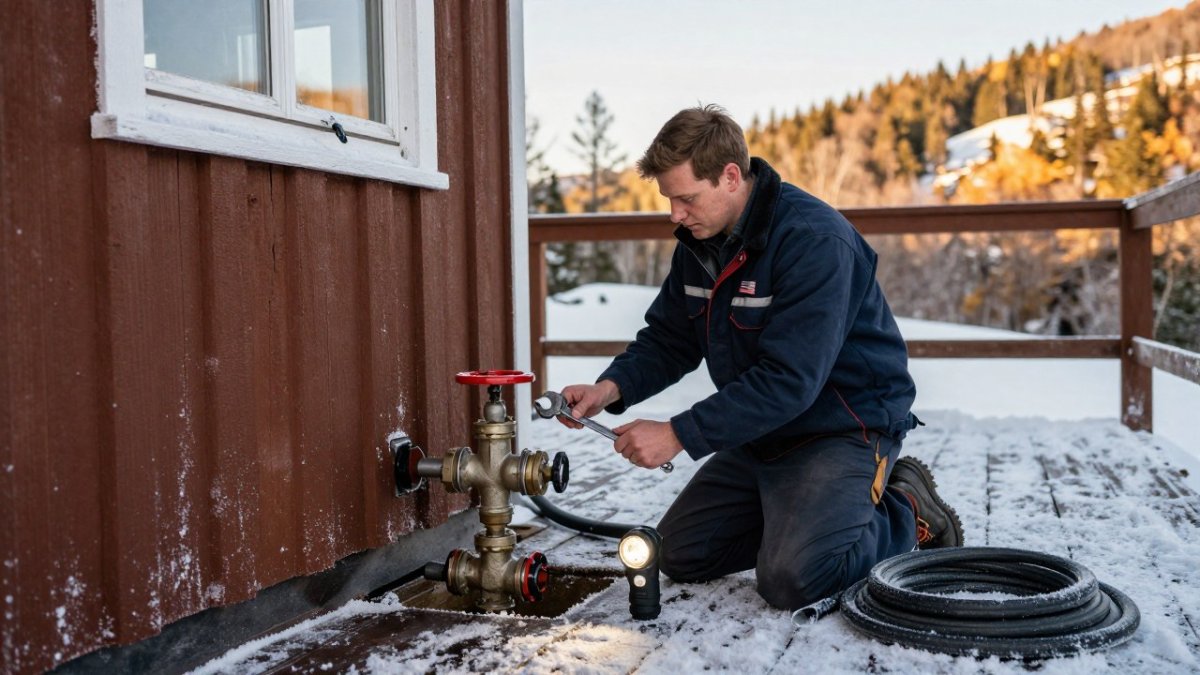
Frozen pipes are the expensive risk here. Frozen pipes are a costly risk. Insulate pipes in cold spaces and shut off outdoor spigots. For a full seasonal walkthrough, read our winter home maintenance tips for NJ homeowners.
Energy Saving Home Improvements Tax Credit and Home Energy Rebates
Federal incentives can reduce the cost of some projects, but the rules change and the amounts vary by program. Check the official source for current figures before you budget. The practical work is not memorizing dollar amounts, it is knowing which program applies to which upgrade, how to stack them, and what paperwork you need before the contractor leaves your driveway.
Federal Tax Credits and Home Energy Rebates
The federal energy saving home improvements tax credit covers certain insulation, windows, doors, and HVAC work (Energy Efficient Home Improvement Credit). State and utility home energy rebates often stack on top. A Lawrence Berkeley National Laboratory study of 14 residential energy-efficiency programs found that well-run incentive programs drive real homeowner participation. Keep every receipt and contractor invoice. You will need them to claim.
A Step-by-Step Eligibility Check
Work through these steps in order before you sign a contract. Skipping any one of them is the most common reason homeowners lose part of an incentive.
- Identify the upgrade category. Insulation, air sealing, windows, doors, and HVAC equipment each fall under different program rules. A single project can touch two categories, for example, air sealing plus attic insulation, and each may have its own cap.
- Confirm the equipment or material qualifies. Federal credits and many utility rebates require specific efficiency ratings or product certifications. Ask the contractor for the model number and the certification documentation before installation, not after.
- Check the installation requirements. Many programs require work to be performed by a qualified or participating contractor. DIY air sealing may save energy but can disqualify you from a rebate that requires a licensed installer.
- Layer the incentives in the right order. Utility rebates typically apply at the point of sale or as a bill credit, while federal credits are claimed on your tax return. Confirm whether your state or utility program reduces the amount you can claim federally, and document the order in which each incentive was applied.
- Keep the paper trail. Save the signed contract, itemized invoice, manufacturer spec sheet, proof of payment, and any rebate approval letter. Store them together in one folder, digital or paper, because you may need them months apart for the rebate and the tax filing.
Combining Incentives Without Losing Them
A common pattern is to use a utility rebate to reduce the upfront cost, then claim the federal credit on the remaining qualified expense. The sequencing matters: if you replace a water heater and add insulation in the same year, confirm whether each program has an annual cap that the combined work would exceed. If program caps are tight, complete qualified projects across separate program years rather than bundling them.
Keep the rebate amount and the credit amount on separate lines in your records so the two are never confused.
Financing and Timing
If you cannot pay out of pocket, ask your utility whether on-bill financing or a low-interest loan is available. Consider timing larger projects with your tax year, and confirm the claim deadline for the current program.
Sequencing Upgrades and Measuring Results
Order matters. Seal and insulate before you size a new HVAC system, or you will buy equipment that is too big for the tightened house. Do air sealing before insulation so you are not burying leaks. Replace the water heater only after you have cut demand with low-flow fixtures.
Measure results so you know what worked. Compare the same month year over year on your utility bills. Track your thermostat runtime. A smart thermostat gives you the data for free.
Building a Maintenance Plan That Keeps Savings on Track
Savings fade without upkeep. Filters clog, seals crack, and furnaces drift out of tune. A written plan keeps every system on schedule.
Budget for it. Our guide on how to calculate your annual home maintenance budget covers how to size that number. This is where a membership helps. Our home maintenance team for Morris County homes handles seasonal tune-ups, on-demand repairs, and vendor coordination as a membership, with flat-rate pricing and digital service reports after visits.
The challenge is not knowing which upgrades save money. It is keeping them maintained year after year. Lone Eagle Home Services makes that simple with proactive seasonal tune-ups, flat-rate pricing, and one trusted team for every repair and vendor.
Frequently Asked Questions
Which energy saving upgrades should I do first?
Start with air sealing and attic insulation. Air leaks and under-insulated attics waste conditioned air year-round, and the fixes are inexpensive compared with HVAC replacement. After that, schedule a professional energy audit to identify duct leaks and equipment problems. A Carrier report found 47% of homeowners plan to prioritize upgrades that deliver long-term value, which matches this order: seal and insulate, then address heating and cooling equipment, then lighting and water heating.
How much do energy saving home maintenance upgrades cost?
Costs vary by home size, climate zone and whether you hire a professional. Low-cost actions like weatherstripping, LED bulbs and air filter changes run a few dollars to a few hundred. Insulation and duct sealing are mid-range projects. Heat pumps and windows are the largest expenses. Because pricing depends on your home's specifics, request a quote from a licensed contractor rather than relying on national averages, which often miss local labor rates.
Are there tax credits for energy-efficient home improvements in 2026?
Some federal and state programs may offer credits or rebates for qualifying energy-efficient upgrades. Check the official source for current programs. Eligibility depends on equipment efficiency ratings and installation requirements. Keep receipts and manufacturer certification statements. A tax professional can confirm which upgrades qualify for your situation and how to claim the credit.
How can I make my home more energy efficient in winter?
Seal air leaks around windows, doors and attic hatches with weatherstripping and caulk. Add attic insulation to the recommended level for your climate zone. Replace furnace filters monthly and schedule professional furnace maintenance. Set a smart thermostat to lower temperatures while you sleep or are away. Close gaps around ductwork in unconditioned spaces. These steps reduce peak heating demand and lower utility bills without major construction.