 How-to
Essential Winterization Checklist for Vacation Properties
Last Updated: November 18, 2026
Quick Summary
A winterization checklist for a vacation property is a planned set of steps that protects an empty house from freezing, water damage and system failure. Start with the exterior, keep the heat set above freezing, drain or shut off water, and arrange monitoring with a local responder.
- Set the thermostat minimum above freezing, with around 55°F as a common starting point.
- Water is the biggest risk, since a burst line in an empty house can run unnoticed for days.
- Drain the lines fully when shutting off water, because trapped water can still freeze and burst.
- Confirm vacancy and winterization requirements with your insurer in writing before winter.
- Set temperature and leak alerts, and name a local contact who can respond quickly.
Table of Contents
- Vacation Home Off-Season Maintenance: Inspecting the Roof, Gutters and Exterior
- How to Prevent Frozen Pipes in an Unoccupied House
- Service the Heating System and Set the Thermostat Floor
- Vacation Rental Winter Maintenance Checklist: Preparing for Guests and Turnover
- Insurance, Documentation and Remote Monitoring
- Download the Vacation Property Winterization Checklist PDF
- Book Your Winter Walkthrough With Lone Eagle Home Services
- Frequently Asked Questions
An essential winterization checklist for vacation properties does more than protect a house from cold. For a step-by-step routine, use this vacation home closing checklist to shut off water, protect appliances, secure doors, and avoid costly damage before you leave for the season.
Most year-round home advice assumes someone is home to hear the furnace and see the drip. A vacation property breaks that assumption. The house may sit for weeks, the thermostat may be turned down, and no one may walk through the rooms until spring. That changes the priorities. Here is how a vacant-house plan differs from a standard one:
- Heat has to stay on, but at a lower setting. Keeping the minimum temperature above freezing protects the pipes. Many owners set it around 55°F as a starting point.
- Water is the biggest risk. A single burst line in an empty house can run unnoticed for days.
- Monitoring replaces observation. You cannot rely on noticing a problem, so you need a way to detect it.
- Timing matters. Work has to happen before the first hard freeze, not after the first leak.
Local conditions also decide how much work is needed.
If you own a second home, the right plan depends on whether the property is empty, lightly used or rented out.
Watch out: a thermostat turned too low is one of the most common ways owners lose a pipe.
Start with the outside of the house, then move inside, because the exterior checks tell you where water and cold will try to get in.
Vacation Home Off-Season Maintenance: Inspecting the Roof, Gutters and Exterior
Walk the outside before the first freeze and look for anything that lets water or cold into the structure. Roof damage, clogged gutters and gaps in the exterior are the three problems that cause the most trouble in a closed home.
- Roof: Check for cracked, lifting or missing shingles, and for flashing around chimneys and vents.
- Gutters and downspouts: Clear leaves and debris so melt water drains away from the walls. Confirm downspouts send water well clear of the foundation.
- Exterior seals: Look at window frames, door thresholds and siding for gaps. Caulk small openings and replace worn weatherstripping.
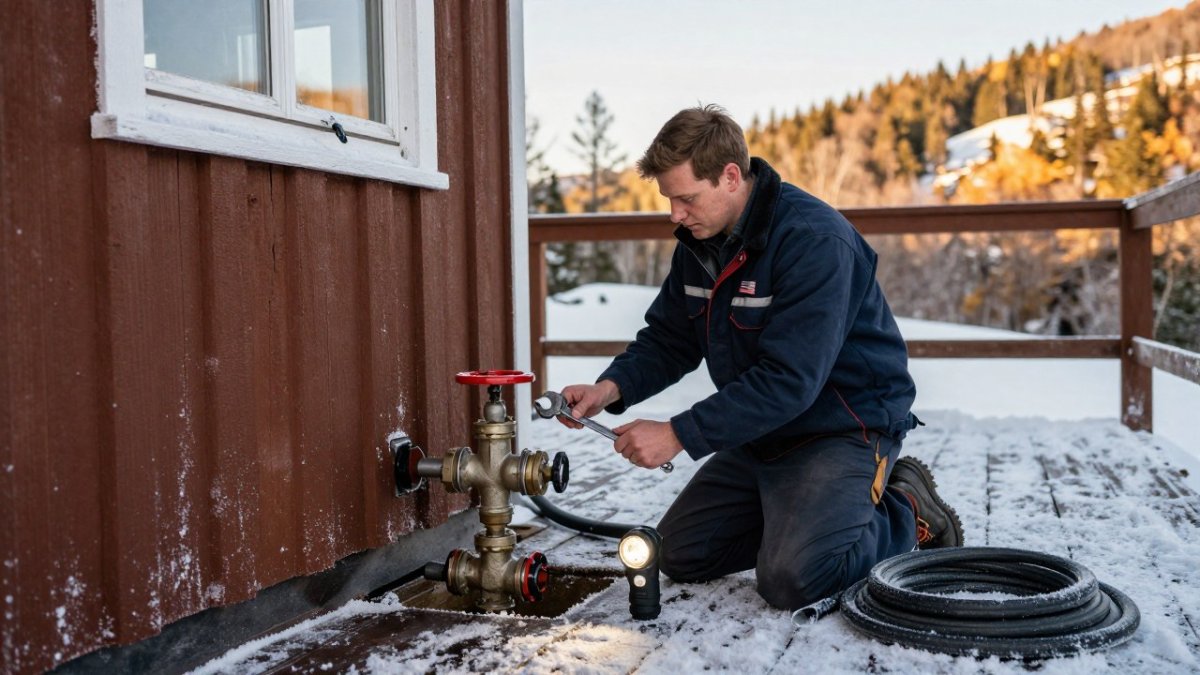
- Outdoor water: Disconnect garden hoses and close the indoor shutoff for exterior faucets where you can.
A common mistake is checking only the roof surface from the ground. Walk the perimeter and look up at the gutters and eaves, where early damage often shows first.
How to Prevent Frozen Pipes in an Unoccupied House
Frozen pipes are the costliest winter problem in a vacant home. Water that freezes expands and can split copper, PEX and PVC lines, and the damage often stays hidden inside walls until the thaw.
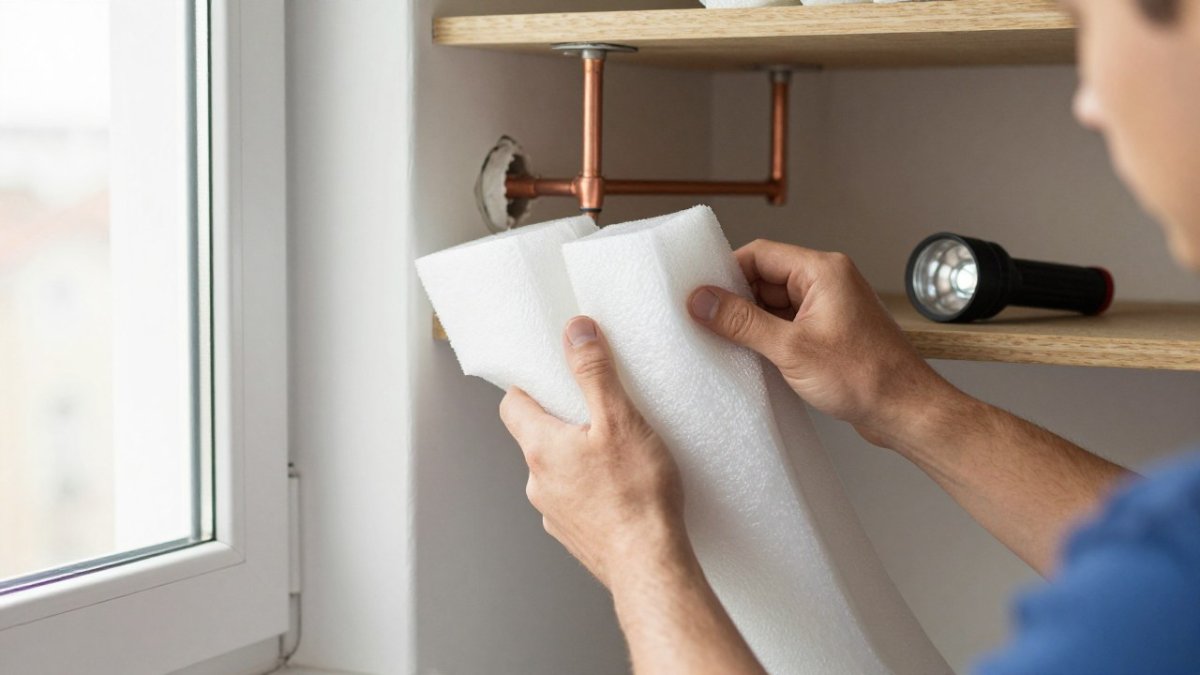
A layered approach works well: keep the house warm, insulate what is exposed, and shut off what you can.
- Set the heat above freezing. Keep the thermostat at or above the minimum floor you have chosen. A setting around 55°F is a common starting point.
- Insulate exposed pipes. Wrap pipes in unheated spaces such as garages, crawl spaces and attics with foam sleeves or insulation.
- Seal drafts. Close gaps near pipes along exterior walls, where cold air can reach them.
- Open cabinet doors. Let warm air reach plumbing under kitchen and bathroom sinks.
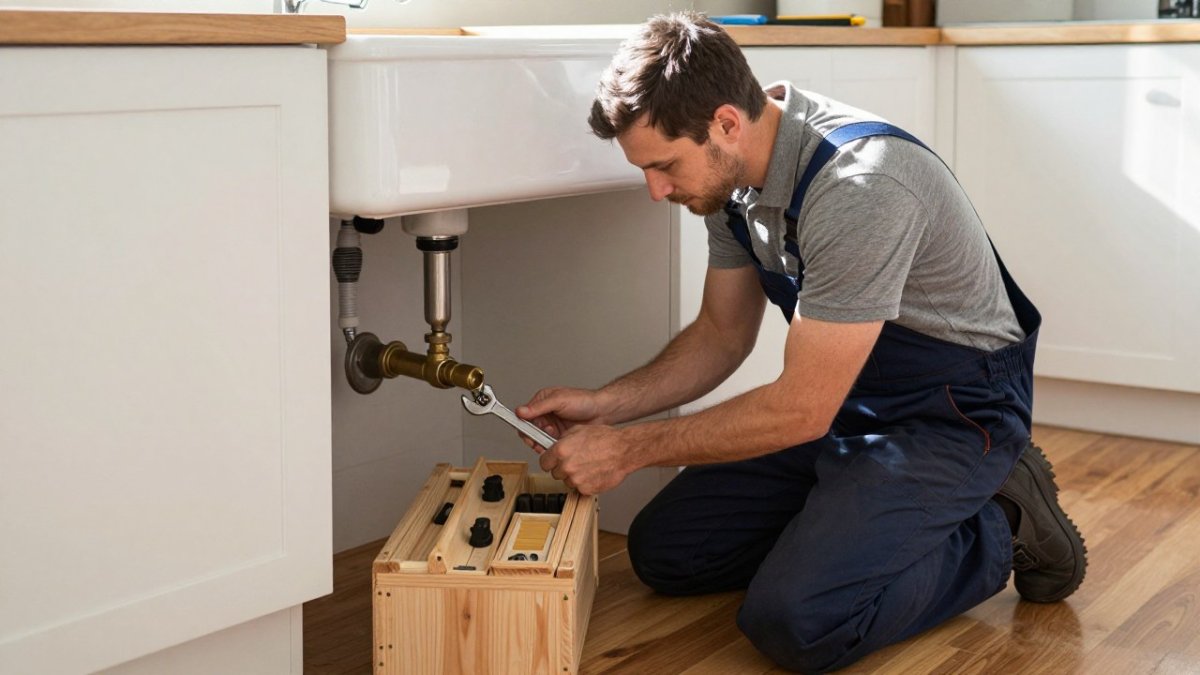
- Shut off and drain. If the house will be empty for a long stretch, shut the main water valve and drain the lines. Confirm the drain steps for your specific plumbing system first.
- Protect the water heater. Turn off power or fuel and drain it if the house will sit empty for an extended period.
Watch out: shutting off water without draining the lines leaves water trapped in the pipes, which can still freeze and burst. Drain the system fully or keep heat on.
The steps below cut the risk of frozen pipes sharply, and each one has a timing or setting worth noting. For detailed guidance on winterizing a vacation home before leaving, see this dedicated winterization guide.
| Step | What to do | Time or setting |
|---|---|---|
| Set the heat above freezing | Keep the thermostat at or above your chosen minimum | Around 55°F |
| Insulate exposed pipes | Wrap pipes in garages, crawl spaces and attics | Foam sleeves or insulation |
| Seal drafts | Close gaps near pipes on exterior walls | Before cold weather |
| Open cabinet doors | Let warm air reach sink plumbing | Under kitchen and bath sinks |
| Shut off and drain | Shut main valve and drain lines for long absences | Confirm steps for your plumbing |
| Protect the water heater | Turn off power or fuel and drain it | For extended empty periods |
Service the Heating System and Set the Thermostat Floor
Your heating system is the first line of defense, and in an empty house it is the only thing standing between a cold snap and a burst pipe.
Service before the season, not during it. Schedule a licensed HVAC technician before the heating season begins or before the house goes unused.
- Replace or clean the filter so the system runs efficiently at low settings. A clogged filter strains the blower and can trip the system on a cold night.
- Test the thermostat under load. Set the floor, let the system run a full cycle, and confirm the house actually reaches and holds that temperature. A thermostat that reads 55°F while the far bedroom sits at 44°F is a false sense of security.
- Check the boiler or heat pump if the property uses one. Boilers need their own seasonal service, and heat pumps lose capacity as outdoor temperature drops, confirm the auxiliary or emergency heat stage works before you rely on it.
- Confirm fuel supply. If the house runs on propane or heating oil, arrange a fill before you leave and set a delivery or automatic-refill plan. A tank that runs dry in February is a frozen-house event.
Set the floor based on your climate and the most vulnerable pipes, not on the lowest number that saves money. For broader preparation beyond heating, see these essential winter repairs for NJ homes. A common starting point is around 55°F, but a house with plumbing in an exterior wall, a crawl space or an unheated garage may need a higher floor or supplemental heat in those zones.
Watch out: a thermostat turned too low, or a programmable schedule that drops the house overnight, is one of the most common ways owners lose a pipe.
Vacation Rental Winter Maintenance Checklist: Preparing for Guests and Turnover
A rental that stays open through winter needs a different routine from a closed home. If you will oversee the property remotely, this guide on managing repairs from a distance offers practical advice.
- Write guest winter instructions covering thermostat use, how to report a leak and where the water shutoff is.
- Stock emergency supplies such as flashlights, extra batteries and ice melt for the entry.
- Clear the snow and ice path before each arrival, and keep the driveway and steps safe.
- Check smoke alarms and batteries at every turnover.
- Inspect the fireplace and make sure firewood is stored away from the house.
A common mistake is treating a rental like a home with a resident. A guest will rarely notice a slow drip. Build in a check after each stay.
Insurance, Documentation and Remote Monitoring
If you cannot visit the house often, your records and monitoring tools do much of the watching for you, and clear documentation is what turns a covered loss into a paid claim instead of a dispute. To weigh how to manage a second home's upkeep and records, read this second-home maintenance plan guide.
Document the house before you close it. A dated photo set is the cheapest insurance you can buy.
Keep a written log. Record each visit with the date, indoor and outdoor temperatures, the thermostat reading, any repairs, and the name of the vendor who did the work.
Set up remote monitoring with a response plan, not just an app. Temperature sensors and water leak detectors alert you by phone, but an alert is useless without a responder. Decide these details in advance:
- Alert thresholds. Set the temperature alert a few degrees above your thermostat floor, for example, alert at 45°F if the floor is 55°F, so you get warning before pipes are at risk. Set leak detectors under sinks, near the water heater, and by the main shutoff.
- Who responds. Name a local contact, a neighbor, property manager or handyman, who can be at the house within a set time. Give them a key, the shutoff location and your phone number.
- What they are allowed to do. Agree in advance whether the responder can shut off water, call a plumber, or authorize emergency repairs up to a dollar limit. A responder who has to wait for permission while water runs is not a plan.
- Escalation. If the first contact does not answer, who is next? Write the chain down and share it with everyone on it.
Watch out: remote monitoring works only if someone responds. A sensor that texts an owner who is out of state, with no local contact named, is a notification, not protection.
Download the Vacation Property Winterization Checklist PDF
A printable version of this checklist helps you move through each area of the house on a fixed schedule. Keep one copy with your property records and one with the local contact.
Book Your Winter Walkthrough With Lone Eagle Home Services
Managing a winter checklist across several contractors takes time most second-home owners do not have. Lone Eagle Home Services offers a membership-based approach, with one trusted team handling seasonal tune-ups, repairs and vendor coordination, and digital service reports after each visit. Our licensed and insured team, backed by 5.0 Google Reviews, can walk your property before the freeze. Visit our site to review plans and current pricing, and request a quote before the first hard freeze.
Frequently Asked Questions
How do you winterize a vacation house?
Start by inspecting the roof, gutters and exterior for damage, then seal drafts around windows and doors. Set the thermostat to a minimum of about 55 degrees Fahrenheit so pipes stay protected, service the heating system, and shut off, drain or insulate the water supply. Test smoke and carbon monoxide alarms, replace batteries, and document the condition of the property with dated photos before you leave. A written checklist keeps each step from being skipped.
What temperature should you leave a vacation home at during winter?
Most property managers recommend keeping an unoccupied home at 55 degrees Fahrenheit or higher. Heat that runs too low can let interior pipes, especially those on exterior walls or in crawl spaces, freeze and burst. If the home is in a freeze-prone area, consider a remote thermostat or smart sensor that alerts you when the temperature drops below your set minimum. Check the setting against your heating system's manufacturer guidance before leaving.
Should you shut off the water when leaving a vacation home for winter?
Shutting off the main water supply and draining the lines is the most reliable way to prevent frozen pipes in an unoccupied house, but it is not always the best choice. Draining works well for seasonal homes with no ongoing needs. If you keep the water on, keep the heat running at a safe minimum temperature and insulate exposed pipes. Drain the water heater as well, and confirm the process with a licensed plumber if you are unsure.
How often should someone check on a winterized vacation property?
Check the property at least once a month during the off-season, and after any major storm, heavy snowfall or extended power outage. Each visit should confirm the thermostat setting, look for leaks or ice near the foundation, check the roof and gutters, and review any remote monitoring alerts. Keep a dated log of each visit so you can show insurers and guests what was checked and when.