 How-to
How to Keep Pests Out of an Unoccupied Home
Last Updated: November 18, 2026
Quick Summary
Effective pest prevention for unoccupied homes means removing food, water, and shelter room by room, then sealing every exterior gap and monitoring the property on a schedule. Shut off the water supply, drain pipes, store items in sealed plastic bins, and seal openings with caulk, steel wool, or hardware cloth. Schedule recurring inspections and log each visit so problems are caught early.
- Pests need food, water, and shelter, and a vacant home supplies all three without interruption.
- Move stored boxes onto shelving at least six inches off the floor and a few inches off the wall.
- Mice need only a gap the width of a pencil to get inside, so seal every opening.
- Use the inspection table: weekly sweeps the first month, monthly walks, and quarterly full inspections.
- Call a professional when you see chewed wiring, nesting material, or a live sighting.
Table of Contents
- Why Vacant Homes Become Pest Magnets
- Your Room-by-Room Pest Prevention Checklist for Vacant Homes
- Rodent Prevention for Vacant Buildings: Seal, Trap, and Monitor
- Exterior Maintenance That Removes Attractants
- The Pest Inspection Schedule for an Unoccupied Home
- How to Do Pest Control at Home by Yourself
- Seasonal and Climate-Specific Prevention
- Expert Tips for Remote Owners
- Frequently Asked Questions
Why Vacant Homes Become Pest Magnets
A house that sits empty is a house that invites guests you never wanted. The U.S. pest control industry now runs $29.9 billion across 31,307 businesses (IBISWorld's Pest Control in the US Industry Analysis), and vacant properties are a steady source of that demand.
Pests need three things: food, water, and shelter. An occupied home disrupts all three constantly, someone runs the tap, takes out the trash, and opens doors. A vacant home offers all three with no interruptions. Rodents settle into quiet closets; insects find standing water in a toilet tank or a slow drip under a sink.
Damage can go unnoticed for months: chewed wiring, soiled insulation, droppings in stored linens. Below, we'll show you how to shut down each attractant before you lock the door.
Your Room-by-Room Pest Prevention Checklist for Vacant Homes
A room-by-room walkthrough is the fastest way to close off a vacant property. Work through each space with a flashlight, a tube of caulk, and a notepad, writing down what you find so the next visit has a baseline.
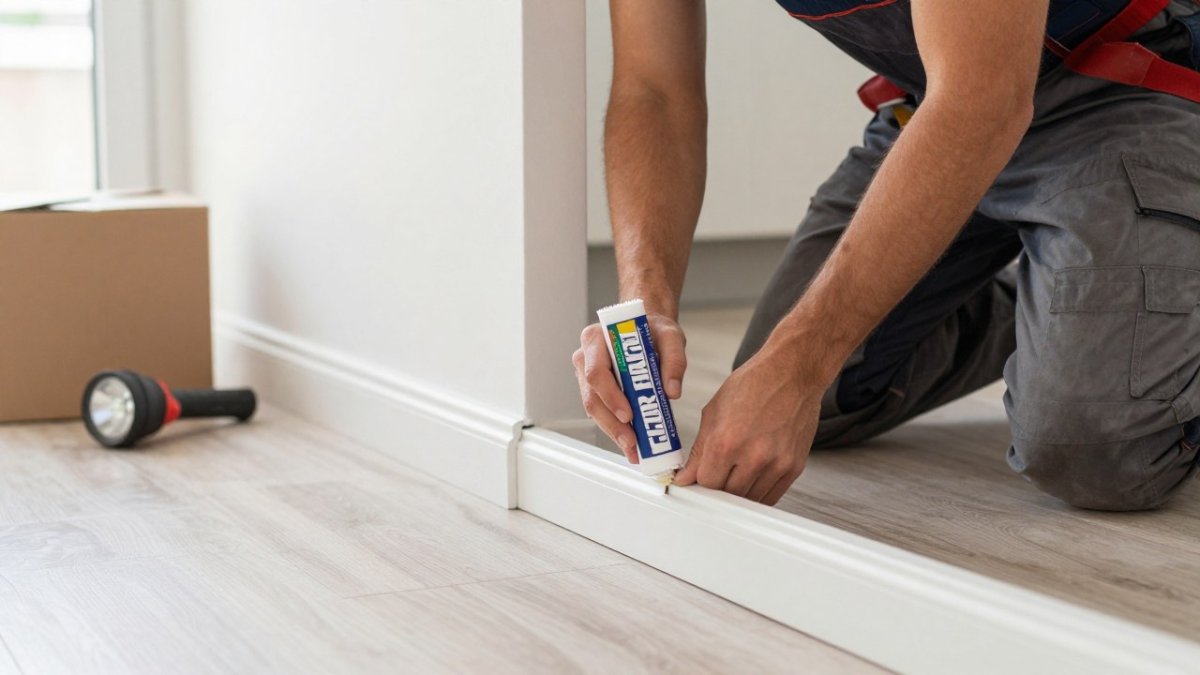
Kitchen and Bathrooms: Cut the Water and Food Supply
Start where pests find the most to eat and drink. Clean every appliance and wipe down shelves. Then remove the two things pests cannot live without.
- Vacuum crumbs from drawers, the oven, and under the fridge
- Store any leftover dry goods in sealed containers, or take them out entirely
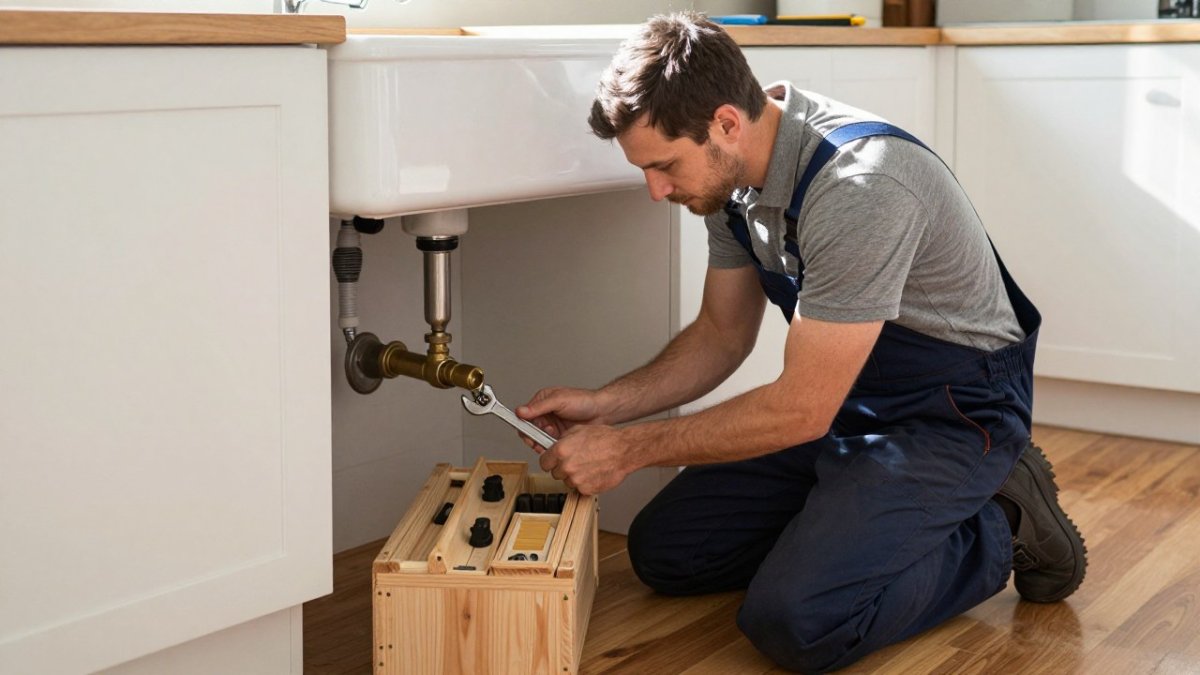
- Fix leaky plumbing under sinks and behind the toilet
- Shut off the water supply and drain the pipes
A single dripping pipe can supply a colony for months, which is why moisture control matters more than any trap. Pull the refrigerator out and vacuum the condenser coil area, crumbs and pet hair collect there and draw ants and roaches.
Bedrooms, Closets, and Storage Areas: Remove Harborage
Pests hide in soft, dark, undisturbed places, and closets packed with linens and boxes are prime real estate. Strip the beds and wash or bag all bedding. Pull furniture a few inches from the walls.
Check the backs of drawers and the space behind headboards. Empty dressers and nightstands, then vacuum the interiors. If you leave clothing behind, seal it in vacuum bags rather than hanging it loose, moths and carpet beetles target undisturbed wool and natural fibers.
Basements, Crawl Spaces, and Attics: The Overlooked Zones
These spaces start infestations unnoticed because no one walks through them day to day. In the basement, sweep up sawdust, insulation scraps, and stored paper.
In the attic, look for daylight through the roof line, torn vent screens, and gaps around exhaust fans and chimney flashing, rodents and wildlife use these as doors.
In a crawl space, confirm the vapor barrier is intact and the space drains. Standing water under the house is a termite and centipede invitation.
Garage, Laundry Room, and Utility Areas
The garage is often the weakest link because the door stays open during move-out and the space holds exactly what pests want: cardboard, paper, and stored chemicals.
In the laundry room, clean the lint trap and the dryer vent line. Lint is nesting material. Check behind the washer for a slow hose leak, and shut off the washer supply valves if the house will sit empty.
Whole-House Closeout Before You Lock the Door
- Confirm every exterior door has a sweep and a tight strike plate
- Check window screens for tears and confirm windows are latched
- Seal the gap around the dryer vent, cable entry, and any exterior pipe penetration
- Set snap traps along interior walls in the basement and garage, baited but not set, so the next visit can check for activity
Watch out: sealing a house too tightly without addressing moisture can trap humid air and encourage mold and wood-destroying insects. Leave interior doors open for airflow and confirm crawl space and attic vents are clear before you close up.
Rodent Prevention for Vacant Buildings: Seal, Trap, and Monitor
Mice need a gap the width of a pencil to get inside. Walk the exterior and interior walls and seal every opening, paying close attention to where pipes and wires enter the home.
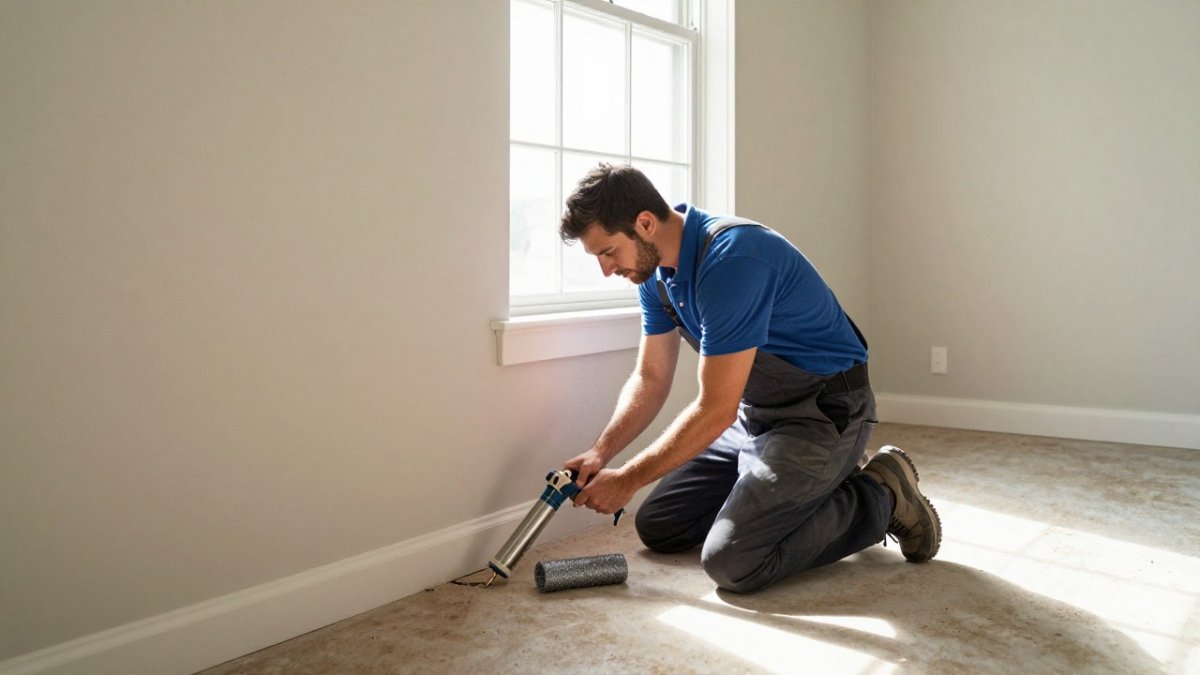
- Fill small cracks and gaps with caulk or steel wool
- Seal larger openings with hardware cloth and foam
- Install door sweeps on exterior doors
- Set traps along walls where rodent activity is likely
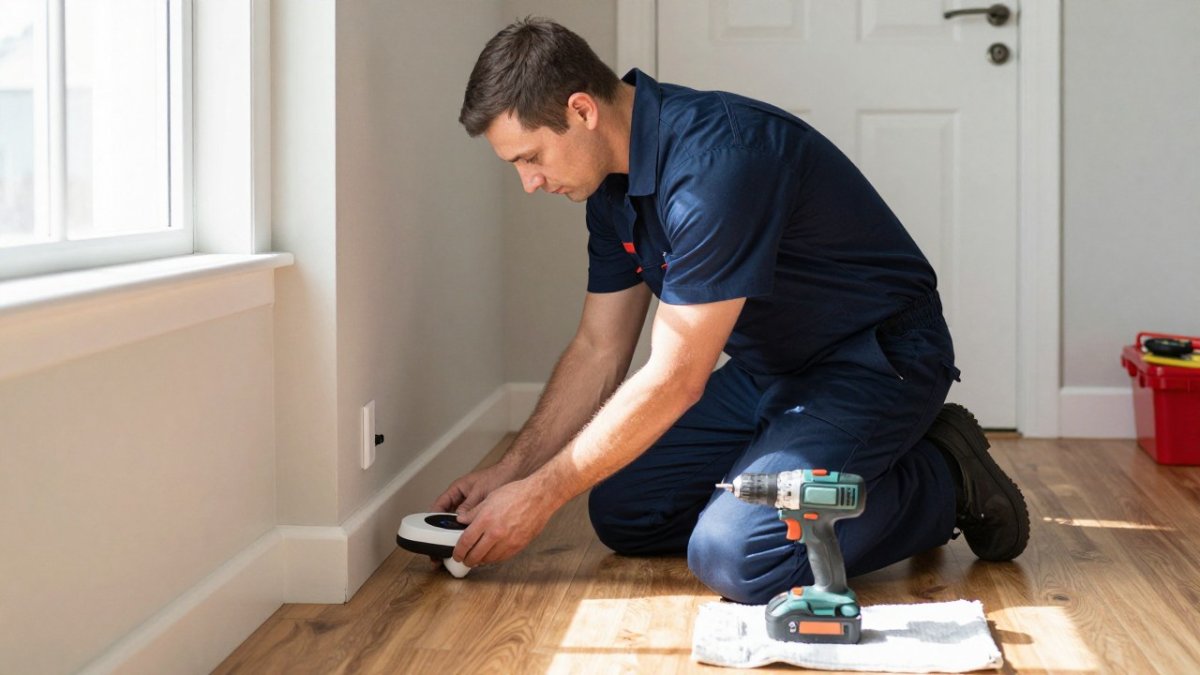
Digital monitoring is changing this work. Companies like Viking Pest now offer SMART rodent control that watches activity around the clock and sends real-time alerts (Viking Pest on pest management for vacant properties).
Exterior Maintenance That Removes Attractants
The outside of the house decides much of what happens inside.
Trim tree branches back from the roof. Clear overgrown vegetation away from the foundation. Rake leaf litter and pull mulch back a few inches from siding.
These steps reduce harborage around the perimeter and make the property look cared for, which matters if neighbors or a property manager are watching it.
The Pest Inspection Schedule for an Unoccupied Home
An empty house needs eyes on it on a schedule, not once a year. Set a recurring routine and stick to it. Shorten the interval if the property backs onto woods, sits near agricultural land, or has a history of rodent activity.
| Frequency | Task | What to Check |
|---|---|---|
| Weekly (first month) | Quick interior and exterior sweep | Droppings, gnaw marks, trails, new gaps, moisture |
| Monthly | Walk the exterior and interior corners | Gaps, droppings, nesting material, dead insects, trap status |
| Quarterly | Full inspection | Attic, crawl space, garage, plumbing, roof line, vents |
| Seasonal | Yard and perimeter | Branches, gutters, mulch, standing water, firewood |
| After storms | Quick sweep | New cracks, roof damage, water intrusion, displaced screens |
What to Inspect and How to Document It
A schedule only works if each visit produces a record you can compare against the last one. For every inspection, capture the same items in the same order:
- Date, time, and who performed the visit
- Photos of each room from the same angle as the previous visit
- Trap counts: how many traps were checked, how many showed activity
- New gaps, cracks, or water stains, with a photo and a location note
Store the log in one place, a shared folder or property-management app, so a remote owner, contractor, and future buyer all see the same history. A written log also matters at resale and for insurance claims if damage is discovered later.
Activity Thresholds That Trigger Action
Not every sign requires a full remediation. Use these thresholds to decide when to escalate:
- One or two droppings in a garage or basement corner: clean, re-seal, and recheck in two weeks
- Fresh droppings, grease marks, or a visible trail on two consecutive visits: set additional traps and inspect the entry path
- Chewed wiring, nesting material, or a live sighting: call a professional, this is past the DIY stage
- Termite mud tubes, frass, or hollow-sounding wood: call a licensed inspector immediately; do not disturb the area
- Bed bug signs (small rust-colored spots on seams, shed skins): isolate the room and call a professional before anything is moved out
Remote-Owner Workflow
If you manage the property from a distance, build the schedule around a single point of contact who visits on your behalf.
If you would rather hand this off, book a professional inspection and remediation service with a team that handles pests and the repairs they cause. You can also build a seasonal maintenance schedule to track every visit in one place.
How to Do Pest Control at Home by Yourself
You can handle most prevention yourself. The key is knowing when a small problem has grown past a DIY fix.
Start with the basics: seal openings, remove food and water, and reduce clutter. Set snap traps for rodents and check them weekly.
The EPA notes that studies have proven integrated pest management is the most effective way to control pests in the home (EPA pest control resources for housing managers).
Watch out: indoor pesticide sprays can leave residues on surfaces where children and pets live. A 2013 study found pesticide contamination in all 20 households tested, often in living rooms and children's bedrooms (Lu et al., Household Pesticide Contamination from Indoor Pest Control Applications).
Seasonal and Climate-Specific Prevention
Pests follow the seasons, and your prevention plan should too. In cold months, rodents and insects move indoors for warmth.
Warm months bring ants, wasps, and termites. Spring is the moment to inspect the foundation and roof line.
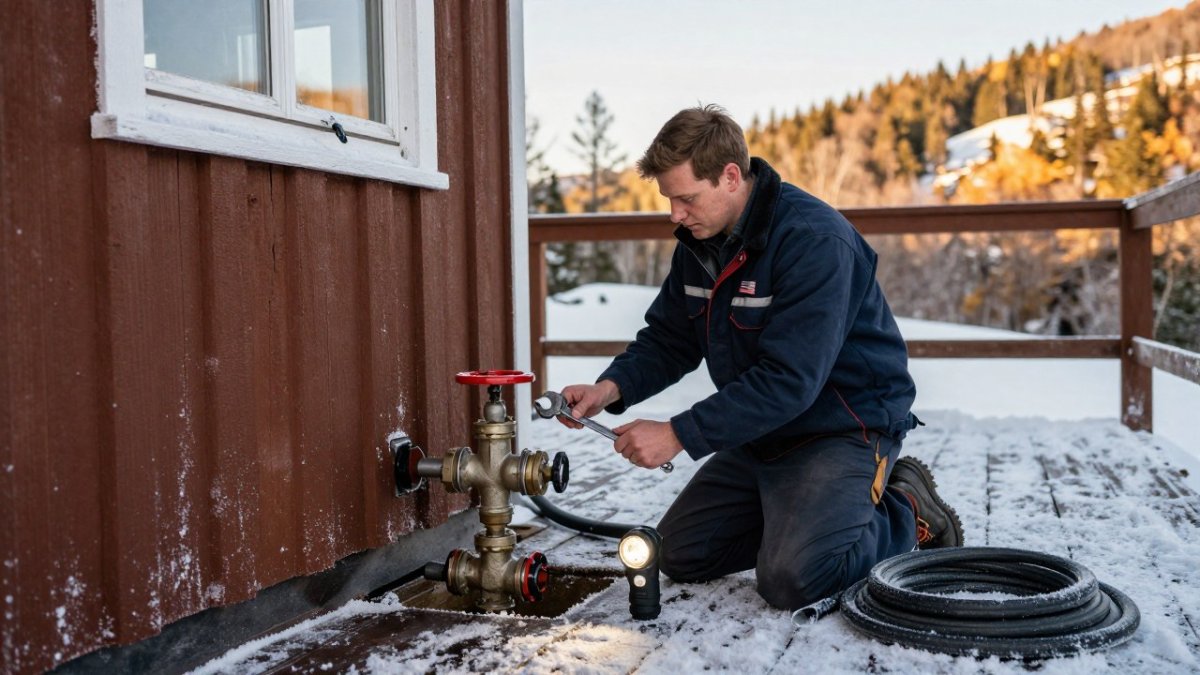
If you are closing the house for the season, winterize a vacation home before you leave so frozen pipes and pest entry do not greet you on your return.
Expert Tips for Remote Owners
Managing a vacant home from a distance takes systems, not luck. The owners who avoid surprises plan ahead.
- Set up a monthly inspection and ask for photos
- Keep a written log of every visit and repair
- Arrange for mail to be stopped or forwarded
- Leave a contact who can respond to an alert
- Schedule repairs before they become emergencies
For a full walkthrough of remote property care, see our guide on home maintenance for second homes. If you are coordinating fixes from out of state, manage home repairs from long distance with a plan that keeps every vendor accountable.
What most guides miss is that a vacant home fails quietly. A small leak or a chewed wire becomes a major repair only because no one was there to catch it.
An empty house still needs care, and pests rarely wait for your next visit.
Frequently Asked Questions
How often should someone inspect a vacant home for pests?
Walk the property every two to four weeks, and never let more than 30 days pass without a visual check. Rotate a deeper inspection each quarter that includes the attic, crawl space, garage, and utility closets. Rodent activity and moisture damage both worsen quietly, so a short monthly visit catches droppings, gnaw marks, or a new gap before a small issue becomes a repair bill. Remote owners should pair inspections with a written log so patterns are visible over time.
How can you prevent rodents from entering a vacant house?
Seal every opening wider than a quarter inch with copper mesh and caulk, steel wool, or hardware cloth. Mice squeeze through gaps the width of a pencil, so check the garage door seal, dryer vent, utility penetrations, and the gap under exterior doors. Trim tree branches back at least six feet from the roofline, move firewood away from the foundation, and set exterior bait stations or traps along the home perimeter. Digital monitoring systems can send real-time alerts when activity starts.
Does turning off the water help prevent pests in an empty home?
Yes, when it is done correctly. Shut off the main water supply and drain the pipes to remove the standing water and moisture that roaches, silverfish, and rodents need. Also empty toilet tanks and bowls, water heater lines, and any appliance hoses. Never leave a full bathtub, sink, or bucket of water behind. Combine the shutoff with a leak inspection of supply lines and the water heater, because a slow drip under a vacant house draws pests and damages framing.
Should you schedule pest control before leaving a home unoccupied?
Book a professional treatment in the final week before you leave, after cleaning and sealing are finished. A treatment applied to a clean, sealed house lasts longer because there is no food or harborage pulling pests back in. Ask for exterior perimeter work and a written report of entry points found. For long absences, set up recurring service or 24/7 monitoring so activity is caught between visits rather than discovered months later.